Agentic AI Is Moving Into the MES. Who Signs the Action Log?
As AI agents start acting across ERP, MES and quality systems, the decision regulated manufacturers face is about approval authority and audit trails, not model capability.
As AI agents start acting across ERP, MES and quality systems, the decision regulated manufacturers face is about approval authority and audit trails, not model capability.
MathWorks' TÜV SÜD-certified guidance for agentic AI in engineering workflows previews how manufacturers will have to govern AI coding agents in safety-critical systems.

NERC CIP-003-9's tighter vendor access controls and IEC 62443's human-authorization mandates leave little room for autonomous AI agents on the plant floor.
Lumafield's Quality Agent exposes a deeper governance question: manufacturers need bounded authority for AI findings, not just audit trails after the fact.
Agentic AI is starting to coordinate decisions across procurement, maintenance, and quality, but no framework assigns decision authority at the handoff.

A fresh wave of AI and OT certifications gives manufacturers a point-in-time credential for a risk that moves daily, and regulators are starting to notice the gap.

AI-generated exploits against industrial controllers now take minutes, not weeks, breaking the patch-cycle assumptions baked into IEC 62443 risk assessments.

Quality teams are borrowing instrument-calibration logic for AI drift, but the metrology underneath doesn't transfer, and that gap is where audits will fail.
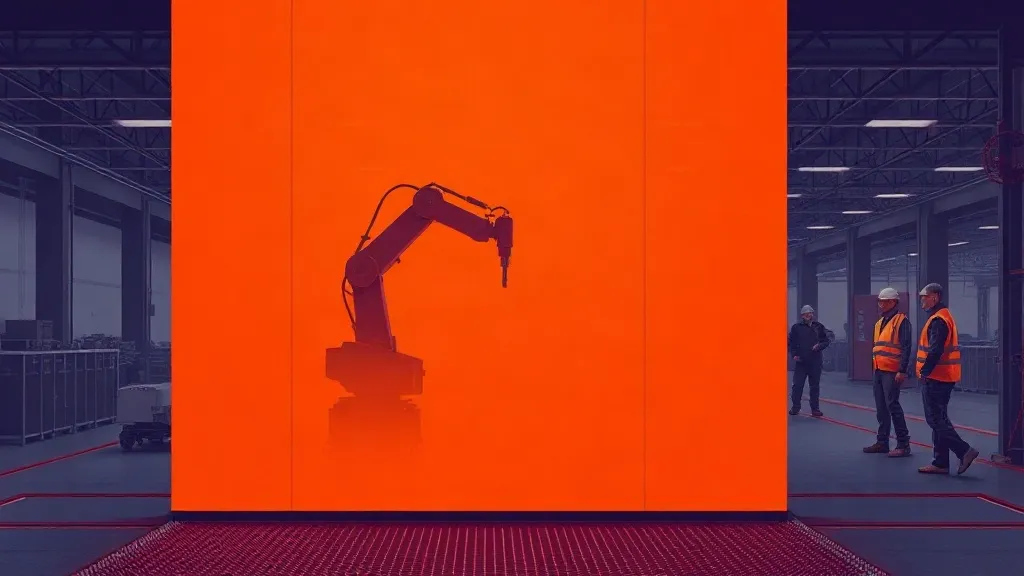
Manufacturers are embedding AI into safety-adjacent control functions faster than certification standards can define how to audit it.

AI-driven First Article Inspection promises major efficiency gains, but aerospace manufacturers lack a governance layer to verify the verifiers.

As factory AI moves from detection to direct equipment control, buyers need a way to tell distribution from validation before they sign.

Manufacturers buying AI-driven OT security platforms are skipping the asset visibility problem that determines whether the AI works at all.
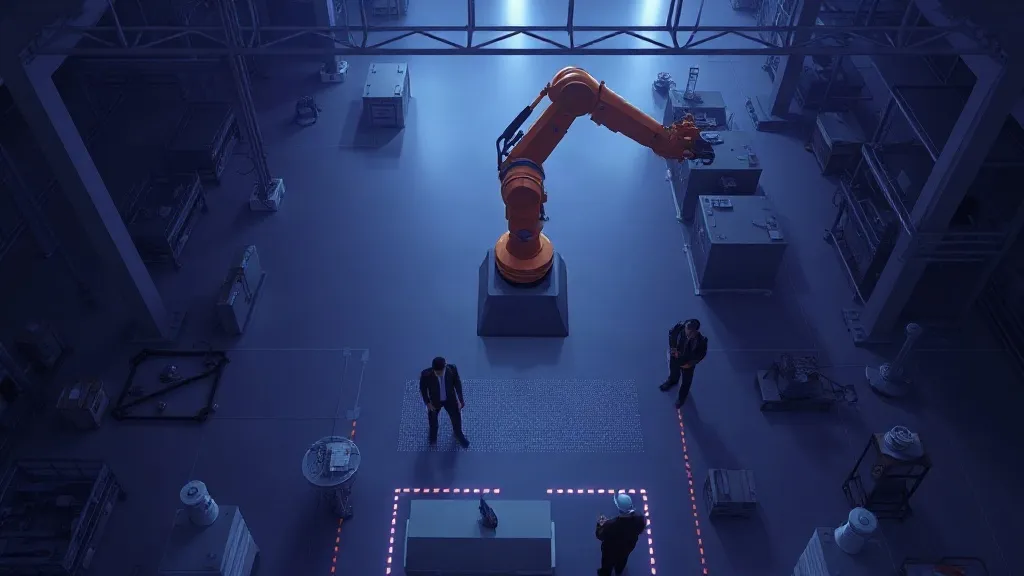
AI video analytics promises safer factory floors, but manufacturers must decide now whether its output is advisory or a safety control before a missed detection decides it for them.

Siemens and TD SYNNEX are widening distribution of physical AI and IT/OT convergence just as incident data shows the risk that convergence already carries.
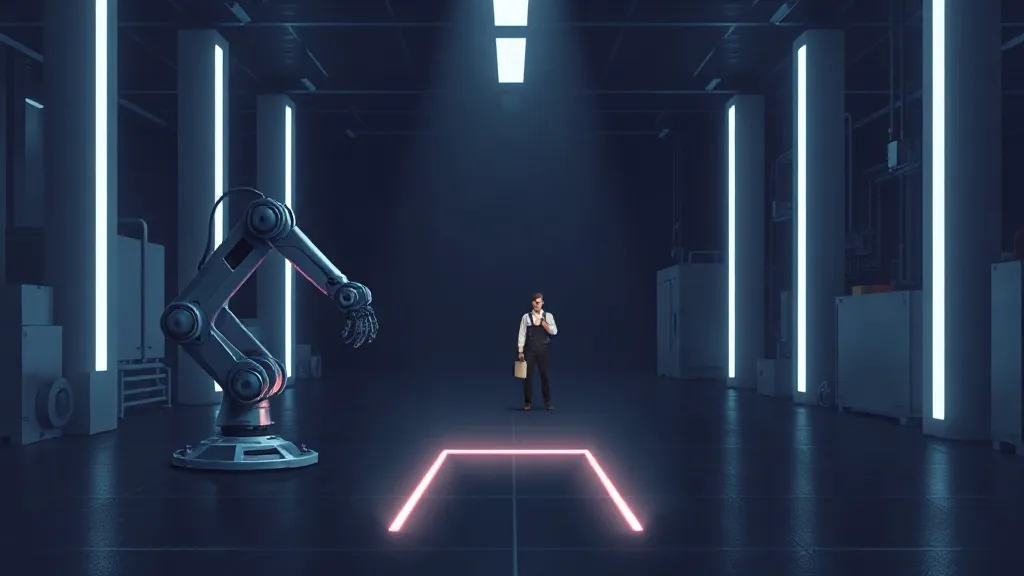
EU AI Act delays and carve-outs for industrial AI are widening the gap between regulatory relief and unresolved physical-world safety science.

A new UL 1740 fenceless safety certification proves the stop function works, but standards bodies admit nothing certifies the human supervision layer around it.

Industrial buyers deciding how to govern AI in control networks are finding the operative bar is IEC 62443 component certification, not new AI policy.
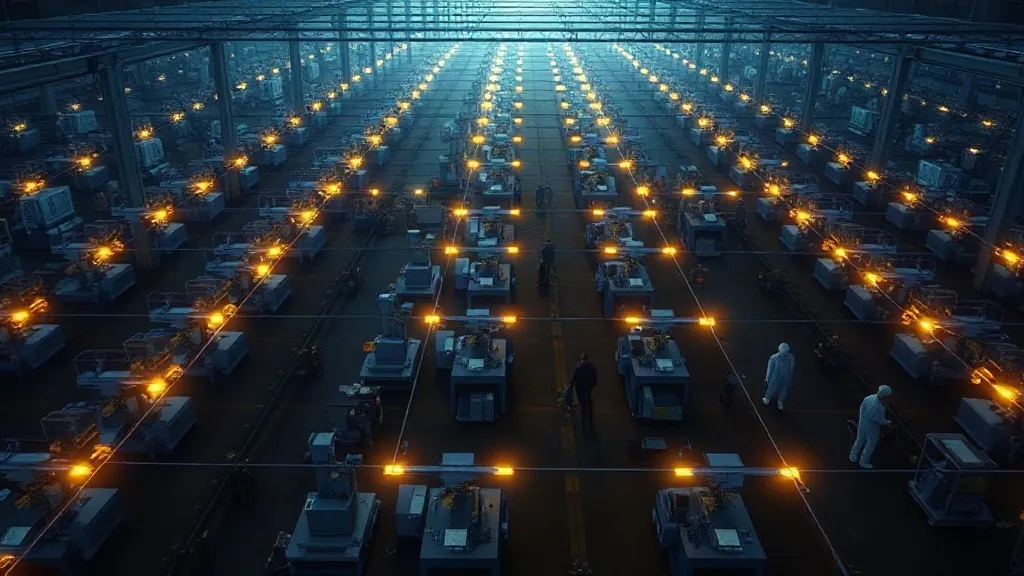
Manufacturers keep blaming models for failed AI rollouts, but the data points to missing governance structure, not missing accuracy.
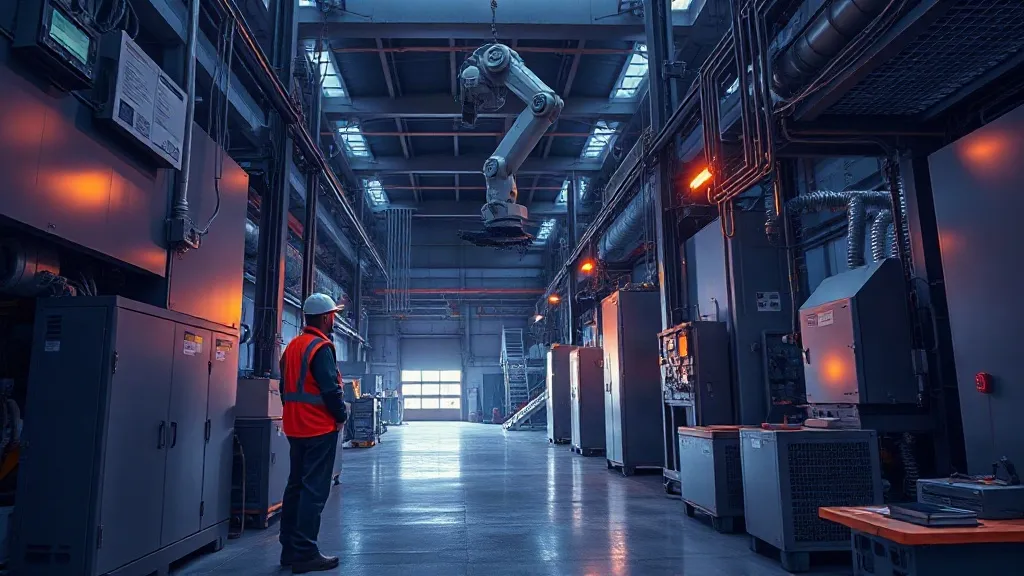
Industrial AI vision systems for hazard detection are only as strong as their training data and the human skills they quietly displace.
Manufacturers are confusing cyber readiness with AI decision governance, and the emerging ISO/IEC TS 22440 standard shows why the two are not the same problem.
Manufacturers rolling out agentic AI for defect detection risk picking the tool that clears procurement fastest, not the one built for auditable authority.

As autonomous mobile robots scale across plants and warehouses, the choice between open-source ROS and a certified commercial distribution is becoming a compliance decision, not an engineering preference.

Manufacturers are racing toward AI certifications and audits while basic endpoint visibility into AI tool sprawl on OT networks remains unsolved.

Chipmakers are selling one platform for cloud AI and physical AI, but safety certification stays domain-specific, and buyers who assume otherwise inherit a hidden compliance gap.